Warm Nights and Restless Sleep: Staying Cool Enough to Rest
A hot bedroom can make a good night's rest harder to find. This entry shares simple ways to keep your sleeping space comfortable and stay safe in the heat.
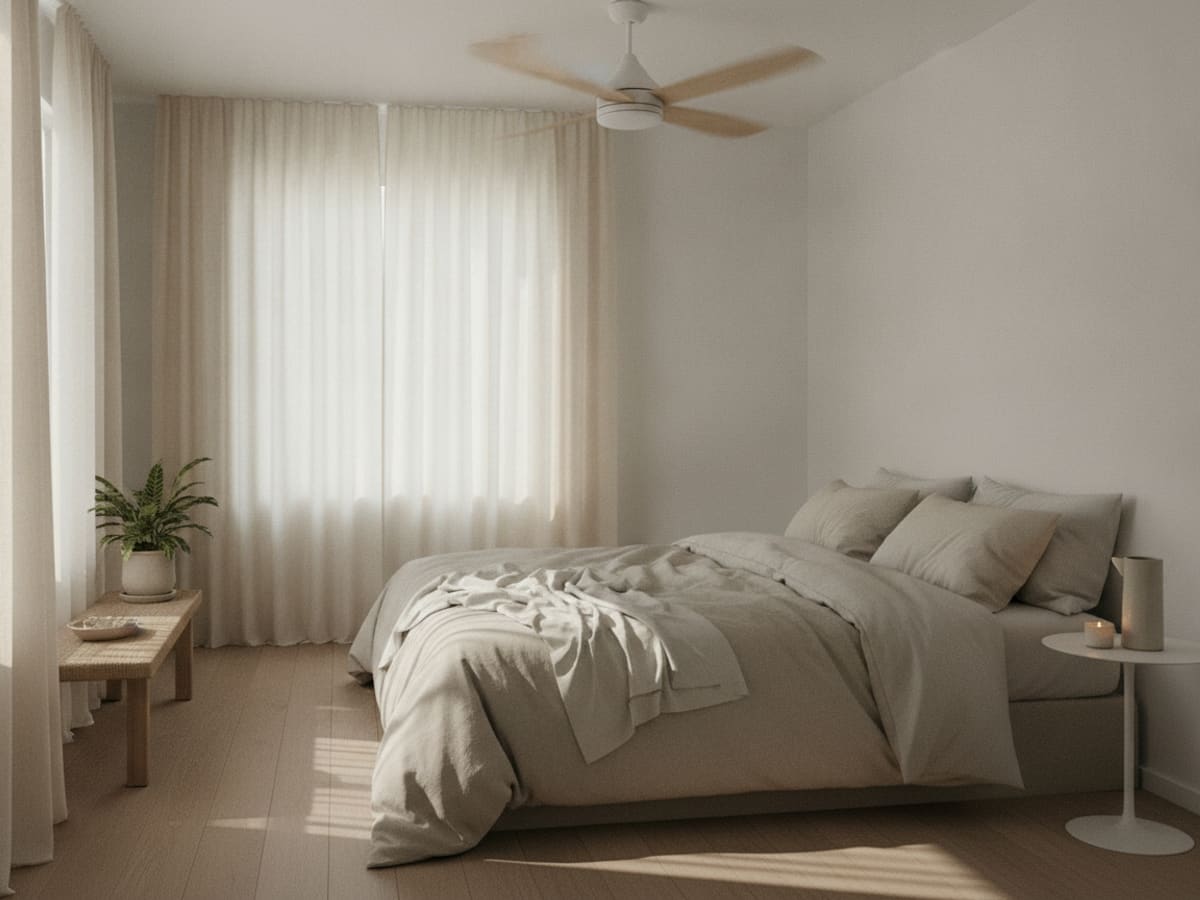
Why heat disrupts sleep
Your body cools down a little as you head toward sleep. Core temperature drifts lower in the evening, and that drop is part of how your body signals that it's time to rest. When the bedroom stays warm, that natural dip gets harder to achieve, and many people notice they toss around more, wake more often, or feel unrefreshed in the morning.
Humidity adds to the problem. When the air is damp, sweat doesn't evaporate as easily, so your skin has a harder time shedding heat. A room that feels merely warm in the afternoon can feel stuffy and heavy at 2 a.m.
For adults 35 and older, sleep can already be a little lighter than it used to be, so a warm night may be noticed more. That's not a reason to worry. It's simply a good reason to give your bedroom some attention when the weather turns.
Cooling the room through the day
The best time to cool a bedroom is well before bedtime. Once heat has soaked into walls, bedding, and furniture, it's slow to leave.
Try a simple daytime routine:
- Close blinds or curtains on sun-facing windows in the morning, before the room heats up. Light-colored, thick curtains help more than thin ones.
- Keep windows shut during the hottest hours if it's warmer outside than inside.
- Open windows in the evening or early morning when the outside air is cooler, ideally on opposite sides of the home so air can move through.
- Turn off lamps, computers, and other devices in the bedroom that give off warmth.
- If you have air conditioning, consider cooling the room for a while before bed rather than waiting until you're already uncomfortable.
A fan can make a real difference, since moving air helps sweat evaporate. Placing it so it pulls cooler air in from a window, or so it circulates air across the bed, often works better than aiming it at one spot. If you share a room, a fan on a gentle setting may suit both of you.
Lighter bedding and evening routines
What's on the bed matters as much as the room. Heavy comforters and flannel sheets trap heat, while breathable fabrics such as cotton or linen let it escape. Many people do well with a single thin sheet, then add a light layer only if they get chilly toward morning.
Sleepwear works the same way. Loose, lightweight clothing tends to feel better than anything snug or synthetic. Some people prefer to sleep with very little on, and that's fine if it's comfortable for you.
Your evening routine can help your body settle toward cooler territory:
- A lukewarm shower or bath before bed can feel refreshing. Very hot water may leave you warmer afterward, so keep it comfortable rather than steamy.
- Wash your face, wrists, and the back of your neck with cool water if you feel overheated.
- Keep the lights low in the last hour of the evening, which also supports your natural wind-down.
- Cook earlier in the day, or choose meals that don't need the oven, so the kitchen and the rest of the home stay cooler.
- Keep evening exercise gentle. A relaxed walk after sunset is easier on your body than a hard workout when it's still warm.
If you wake in the night feeling hot, a cool cloth on your neck or wrists, or turning your pillow to the cooler side, can be enough to help you drift off again.
Hydration and the late evening
You lose fluid through sweat even while you sleep, so staying comfortably hydrated through the day makes sense. Sipping water regularly is usually easier than drinking a lot at once.
The late evening takes a little balance. Going to bed thirsty can be uncomfortable, but drinking a large amount right before sleep may mean extra trips to the bathroom. A small glass of water in the hour or so before bed, with a little more on the nightstand if you wake thirsty, works for many people.
Alcohol and heavy, spicy meals late in the day can make you feel warmer and may interrupt sleep, so you may want to go lighter on them during hot spells. The same goes for caffeine later in the day.
Some people need to follow specific guidance on how much fluid to drink because of a health condition or a medication. If that applies to you, follow what your care team has advised rather than general tips.
Heat safety and checking with your doctor about medications
Feeling uncomfortable at night is common in hot weather, but heat can also be a real strain on the body, especially for older adults and people with certain health conditions. Pay attention to how you feel, and check in on neighbors or relatives who live alone.
Some prescription and over-the-counter medications can affect how your body handles heat or fluid balance. Examples include certain drugs for blood pressure, heart conditions, allergies, mood, and sleep. Don't stop or change anything on your own. Instead, ask your doctor or pharmacist whether any of your medications make heat a particular concern, and what to watch for during hot weather.
Small adjustments add up. You may not need to do all of this at once. Pick one or two changes, try them for a few nights, and see what makes your room feel more restful.


